All About the Rodent Smoke Examination: A Proven Approach for Identifying Rat Infestations
The Rodent Smoke Examination acts as a valuable analysis device for discovering rodent problems in buildings. By making use of non-toxic smoke, this technique discloses air movement patterns that can suggest prospective access factors. Understanding exactly how the test runs and the advantages it uses can significantly help building owners. Nonetheless, the complexities of planning for the test and interpreting its results are essential for efficient execution. What important steps should one consider before performing this test?
What Is a Rat Smoke Test?
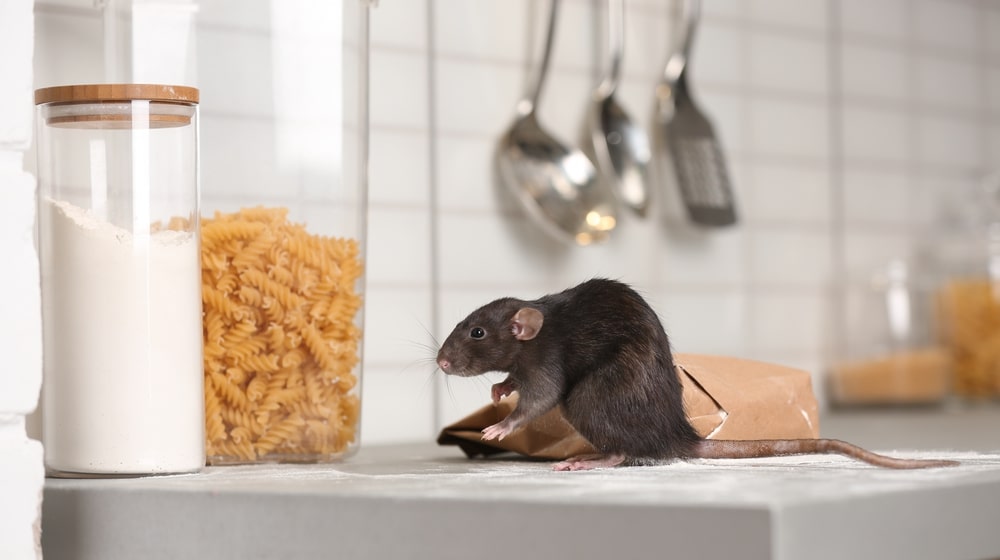
The examination is particularly efficient in structures where rodent problems are believed, as it discloses covert vulnerabilities that might otherwise go undetected. The smoke, which distributes quickly, will certainly get away via any openings, enabling specialists to pinpoint areas that call for sealing or repair services.
Inevitably, the rodent smoke test functions as a positive procedure in parasite monitoring, assisting in the prevention of future problems by guaranteeing that structures are properly secured versus unwanted wild animals. This method highlights the value of keeping a safe atmosphere to discourage rodents properly.
Just How the Rodent Smoke Test Works
The Rat Smoke Examination entails specific prep work actions to guarantee exact results. Understanding how to interpret smoke patterns is crucial for recognizing potential rodent entrance factors. This procedure offers useful insights into rodent habits and habitat preferences.
Examination Prep Work Steps
Reliable prep work is crucial for the successful execution of the Rodent Smoke Test. This process begins with a detailed examination of the facilities to identify prospective entrance factors for rats. Verifying that all windows, vents, and doors are securely shut will avoid any kind of unintended escape of smoke throughout the examination. Next, the location should be removed of any kind of products that could obstruct the flow of smoke or disrupt the outcomes. The smoke-generating device should be positioned purposefully to maximize insurance coverage of the test location. Finally, it is vital to inform residents of the approaching test to ensure their security and convenience. Appropriate prep work sets the phase for accurate cause recognizing rodent invasions.
Translating Smoke Patterns
When performing the Rodent Smoke Examination, interpreting the patterns of smoke is crucial for identifying surprise rodent pathways. As the smoke is presented right into possible access points, it travels through any type of openings or voids in the framework. Onlookers should note where the smoke disperses quickly, indicating a straight route favored by rodents. On the other hand, areas where smoke sticks around suggest that the pathway might be obstructed or much less regularly made use of. Furthermore, the instructions of smoke movement can reveal hidden nests or burrows. A complete examination of these patterns enables insect control specialists to identify important locations for intervention, ensuring a much more effective eradication technique. This method highlights the significance of comprehensive smoke evaluation in identifying rodent task.
Benefits of Utilizing the Rat Smoke Test
The Rodent Smoke Test provides substantial benefits in pest monitoring. Its fast discovery approach enables the rapid recognition of rodent problems, assisting in prompt treatments. Furthermore, the non-invasive technique minimizes disturbance to the atmosphere, making it a reliable option for home owners.
Quick Detection Approach

Non-Invasive Method
Although many pest control approaches can be turbulent and invasive, the Rodent Smoke Examination attracts attention for its non-invasive nature. This strategy makes use of harmless smoke to identify rodent paths without the requirement for comprehensive excavation or structural changes. By introducing smoke into possible entrance factors, property proprietors can conveniently observe how it takes a trip and where rodents might be infiltrating. This method minimizes disturbance to the environment and existing structures, enabling a quick analysis of the invasion. In addition, the Rat Smoke Examination is effective in identifying problem locations, enabling targeted interventions. Because of this, it not only conserves resources yet also lowers the anxiety typically related to more traditional insect control approaches, making it an appealing choice for several.
Determining Entrance Points and Nesting Areas
Determining entry factors and nesting areas is necessary in effectively taking care of rodent problems. Rats are skilled at manipulating small openings, typically as small as a quarter of an inch. Common entrance factors include spaces around vents, pipes, and windows, along with fractures in walls and foundations. Evaluating these locations thoroughly can reveal possible gain access to routes for rodents.
Nesting locations can usually be found in covert spaces such as attic rooms, basements, or wall voids - Rodent Smoke Test. Signs of nesting consist of droppings, gnaw marks, and shredded products. Utilizing a methodical technique, home proprietors ought to perform normal inspections, concentrating on both outside and interior locations. Checking for indicators of task, such as impacts or fur, can additionally aid in determining these essential areas. By pinpointing entrance points and nesting areas, efficient control measures can be applied, avoiding additional rodent incursions and safeguarding the building
Planning for a Rodent Smoke Test
Preparing for a rodent smoke test requires cautious planning and attention to detail to assure effective results. The location has to be thoroughly evaluated to determine prospective access points and nesting websites, making specific that all possible locations are covered during the test. Next, the setting ought to be free from any kind of blockages hop over to here or items that might disrupt the smoke's diffusion. It is necessary to secure any type of identified entry factors temporarily, using materials such as tape or plastic to stop outdoors air from watering down the smoke. Additionally, the smoke source ought to be carefully picked, seeing to it it appropriates for indoor use and risk-free for the occupants. It is a good idea to alert any kind of building residents regarding the test schedule to lessen direct exposure to smoke and ensure their security. Following these steps will boost the performance of the rodent smoke examination and provide clearer insights right into potential problems.
Analyzing the Outcomes of the Examination
When the rodent smoke examination has actually been performed, analyzing the results ends up being essential for understanding the extent of any kind of infestations. Rodent Smoke Test. Observers should carefully check out the locations where the smoke has left, as this indicates possible entry factors for rats. If the smoke disperses rapidly with splits, spaces, or holes, it represents that these openings might be used by rodents for access
Moreover, the visibility of smoke in particular locations can recommend nesting websites or pathways often taken a trip by rats. Odorous residues or dark stains left can additionally validate active problems.
It is essential to separate between small leakages and substantial breaches. A restricted variety of smoke escape points might show isolated rodent task, while prevalent dispersal recommends an extra significant infestation. Comprehending these outcomes allows homeowner to review the seriousness of attending to the trouble and aids overview subsequent actions for reliable rodent control.
Next Steps After Performing the Examination
After analyzing the outcomes of the rodent smoke examination, property proprietors have to take definitive action to deal with any type of determined issues. If the test reveals pathways used by rats, immediate procedures ought to be utilized to seal these access points. This may include repairing holes, installing door sweeps, and strengthening vents.

Next, homeowner must take into consideration seeking advice from parasite control specialists to evaluate the seriousness of the invasion and develop a customized extermination strategy. Normal surveillance and upkeep must follow to protect against future incidents.
Furthermore, it is important to eliminate potential food resources by securing waste and saving food correctly. Homeowner may likewise want to conduct additional evaluations to determine nesting websites or other signs of rodent activity. By implementing these actions, they can properly mitigate the threats linked with rodent invasions, making certain a much healthier living setting.
Regularly Asked Questions
Just how Typically Should I Conduct a Rat Smoke Examination?
The recommended regularity for conducting a rodent smoke examination differs, but usually, it must be done at the very least twice a year or after any substantial architectural adjustments, ensuring continuous tracking for possible rodent problems.
Is the Smoke Used Damaging to Pet Dogs or Human Beings?
When applied appropriately, the smoke made use of in the rodent test is typically considered non-toxic to family pets and people. Individuals ought to ascertain appropriate ventilation and seek advice from item guidelines to mitigate any type of prospective risks.
Can I Conduct a Rat Smoke Examination Myself?
Performing a rodent smoke test separately is possible, however it requires specific tools and expertise. Rodent Smoke Test. Appropriate security preventative measures must be complied with to guarantee performance and minimize risks to health and home throughout the procedure
What Should I Do if I See Smoke Escaping?
If smoke runs away throughout the test, the person must quickly discontinue the treatment, identify the source of the leak, and analyze potential entrance factors for rodents. Consulting a specialist insect control service is encouraged for resolution.
Are There Any Type Of Alternate Techniques to the Smoke Test?
Yes, alternate methods to the smoke examination include making use of infrared electronic cameras to find heat signatures, aesthetic examinations for droppings, and using lure stations to keep an eye on rodent activity. Each method uses special advantages for recognizing invasions.
The Rat Smoke Test offers as a useful diagnostic device for detecting rodent invasions in buildings. When performing the Rodent Smoke Test, analyzing the patterns of smoke is important for identifying hidden rodent paths. A reliable and rapid discovery technique, the Rat Smoke Examination offers substantial benefits for determining possible entrance factors in structures. As soon as the rodent smoke examination has been carried out, interpreting the results ends up being important for recognizing the degree of any invasions. If smoke leaves throughout the test, the person must quickly cease the treatment, determine the her response source of the leakage, see here and analyze potential access factors for rodents.